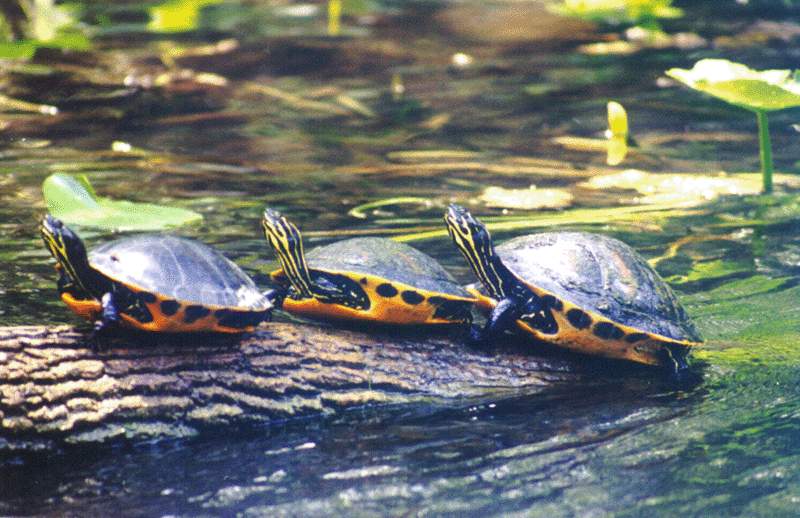
Diamondback terrapins (Malaclemys terrapin) are the odd ones out in North American turtle keeping — the only species that lives in brackish water. That single fact reshapes the entire setup. A diamondback in a freshwater tank slowly develops skin and shell problems that don’t happen to sliders or painteds. Tom kept a small pair in a 400-litre brackish setup for nine years and considers them the most beautiful native species he’s housed.
This is the captive setup we’d run for a diamondback terrapin.
Species overview
Diamondbacks are coastal-marsh specialists native to the eastern and Gulf coasts of the US, from Massachusetts down to Texas. Seven recognised subspecies cover the range; the most common in the pet trade is the Northern diamondback (M. t. terrapin), but Ornate (M. t. macrospilota) and Mississippi (M. t. pileata) appear regularly too.
The species name “terrapin” in this context is taxonomic, not colloquial. Diamondbacks are the only true terrapins in the strict sense — freshwater pond turtles that are also called terrapins (like Reeves turtles in UK usage) are casual naming rather than taxonomic.
Adult size:
- Males: 11–13 cm of shell length.
- Females: 15–23 cm. Substantially larger, with broader heads and more powerful jaws.
The shell pattern (the “diamonds” in the name) consists of distinct concentric rings on each scute. Pattern intensity varies dramatically between individuals.
The brackish-water requirement
This is the species-defining setup point. Diamondbacks evolved in salt marshes and need salinity in their water. Pure freshwater causes:
- Skin fungal infections (the most common diamondback health problem in freshwater setups).
- Shell rot, especially on the plastron.
- Long-term physiological stress.
The target salinity range for captive setups:
- 1.005–1.015 specific gravity — significantly below ocean water (1.025) but well above freshwater (1.000).
- Sea salt mix (Instant Ocean or similar marine salt — not table salt, which lacks the trace mineral profile diamondbacks need).
- Hydrometer or refractometer to measure. Don’t guess; brackish salinity affects health directly.
Mix the salt to target salinity using dechlorinated tap water before adding to the tank. Top up evaporated water with fresh dechlorinated water (salt doesn’t evaporate, so topping up with brackish water increases salinity over time).
Tank size
- Single adult male: 200 litres (55 US gallons) minimum.
- Single adult female: 400 litres (100 US gallons) minimum.
- Pair: 500+ litres, long footprint.
- Hatchlings: 100 litres for the first year.
Diamondbacks are strong swimmers. They use water depth more than musks or mud turtles. A taller tank works for them in a way it doesn’t for bottom-dwelling species.
Water and filtration
- Water depth: 3× shell length, ideally more.
- Temperature: 22–26 °C adults; 24–26 °C hatchlings.
- Filtration: rated 2–3× tank volume. Use a filter rated for marine setups; brackish water is harder on freshwater equipment over time.
- Water changes: 20 % weekly, using premixed brackish water at the right salinity.
- Salt cycling: the biological cycle in brackish water takes longer to establish than freshwater. Allow 4–6 weeks of cycling before introducing turtles.
Basking
- Platform size: 1.5× shell length on the short axis. Females need a generous platform.
- Basking temperature: 30–33 °C.
- UVB: reptile-grade 10.0 tube within 25 cm. Annual replacement.
- Basking lamp: 75–100 W flood.
- Photoperiod: 10–12 hours on.
Salt crusts build up on basking platforms and equipment near the waterline. Wipe down monthly with a damp cloth.
Substrate and decor
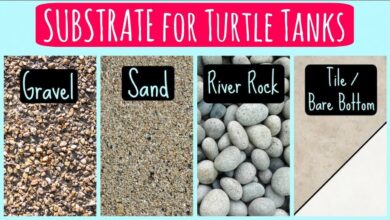
- Aragonite sand or crushed coral — alkaline buffer substrate suits brackish setups better than freshwater pool-filter sand. Also looks more natural for the species.
- Bare-bottom is acceptable but loses the buffering benefit.
- Driftwood: only saltwater-cured driftwood. Freshwater driftwood leaches tannins that interact poorly with brackish chemistry.
- Live plants: most freshwater plants die in brackish. Mangrove sprouts work if you can source them; otherwise stick to silk decorations.
- Smooth rocks: coral or limestone rocks suit the chemistry.
Diet
Diamondbacks are carnivores in the wild — predominantly molluscivores, eating periwinkles, mussels and small crabs. The captive diet should lean heavily on hard-shelled invertebrates.
- Hatchlings (daily): chopped earthworm, krill, small bits of mussel, hatchling-sized pellets. Small live snails when available.
- Juveniles (every other day): whole small snails (favourite), mussel, raw shrimp with shell, krill, pellets, occasional earthworm.
- Adults (every 2–3 days): whole snails (the bigger the better — mature female diamondbacks crush apple snails effortlessly), mussels in shell, mussel meat, raw shrimp in shell, krill, the occasional small fish, pellets as a small portion.
Hard-shelled prey is the standout dietary need. The species evolved to crunch snail shells; without that abrasive crunching, the powerful jaw muscles atrophy and the beak overgrows. We’ve seen captive diamondbacks fed soft food only develop overgrown beaks within 18 months.
Calcium supplementation isn’t usually needed for diamondbacks eating whole-shelled prey. Multivitamin once a week with retinol.
Health red flags
- White skin patches — fungal infection, usually from salinity too low. Raise salinity to target, dry-dock with topical iodine.
- Beak overgrowth — dietary, from soft-food-only feeding. Provide whole-shelled prey; severe cases need vet beak trim.
- Shell rot — uncommon at correct salinity; common in freshwater-kept diamondbacks.
- Lethargy + refusal to bask — check water temperature and salinity. Diamondbacks are sensitive to both.
- Eye swelling — either vitamin A deficiency or salinity too high. Check both.
Full triage in Turtle Health & Feeding Guide.
Brumation
Wild diamondbacks brumate in mud through northern winters. Captive specimens at consistent warm temperatures don’t need to brumate to stay healthy. Outdoor pen keepers in warm-coastal climates can let them brumate naturally if pond depth and substrate allow.
Lifespan
Captive diamondbacks live 25–40 years. Wild specimens believed to reach 25–40 in coastal populations.
Legal status
Diamondbacks are protected in every US state where they occur, with varying permit requirements. Massachusetts, New Jersey and Rhode Island prohibit possession entirely. Other states allow captive-bred keeping with paperwork.
In the EU and UK, diamondbacks are legal to keep with CITES Article 10 paperwork. The species is on CITES Appendix II.
Always buy captive-bred only with full provenance.
Buying advice
- Captive-bred only. Wild diamondbacks face heavy collection pressure on top of habitat loss.
- Hatchling prices: US$200–500 depending on subspecies and pattern.
- Confirm subspecies. The seven subspecies have slightly different husbandry preferences (more brackish vs more saline). Ornate diamondbacks tolerate higher salinity than Northern.
- Check the shell carefully. Diamondbacks at risk of shell rot show it earlier than most species — small soft patches are warning signs.
- Watch the animal feed. A healthy diamondback strikes confidently at offered prey.
Related on Turtle Times
- Terrapin (Diamondback) species overview — identification and natural history.
- Care Sheets & Information — enclosure hub.
- Turtle Health & Feeding Guide — diet and medical companion.
- Turtle & Tortoise Care Index — master husbandry hub.
- All turtle breeds — species index.
— Tom, Turtle Times. Got a diamondback brackish-setup question or photos of your salinity rig? Contact form — flag “diamondback” in the subject.
Got a question we haven’t answered?
The Turtle Times team answers reader questions every week. Drop us a note — Linda covers health, Priya handles softshells and side-necks, Tom takes aquatic species, Marcus covers tortoises, Jenna runs new-owner triage.