Cooter Turtle Tank Setup: Complete Guide

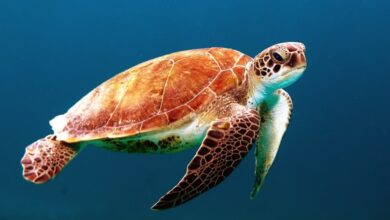
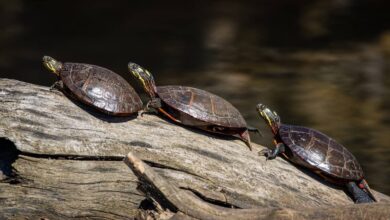
Cooters are the larger, calmer cousins of sliders — same family (Emydidae), similar husbandry, but considerably bigger as adults and noticeably more plant-keen in their adult diet. Tom keeps a single Florida red-bellied cooter (Pseudemys nelsoni) and the standout difference from a slider is the size jump and the appetite for greens.
If you’ve looked at sliders and want something slightly different at the same care level — or you’ve fallen in love with a baby cooter at a reptile show — this is the setup we’d run.
Species in the trade
Pseudemys is the cooter genus. The species you’ll see for sale:
- River cooter (P. concinna) — the default. Common in the south-eastern US.
- Florida red-bellied cooter (P. nelsoni) — striking red and yellow markings. Larger.
- Peninsula cooter (P. peninsularis) — Florida-specific, similar care.
- Northern red-bellied cooter (P. rubriventris) — eastern US, slightly smaller.
- Coastal Plain cooter (P. floridana) — common in the trade.
All have broadly the same husbandry requirements. We’ll use Florida red-bellied as the reference but the setup transfers across the genus.
Adult size — bigger than sliders
This is the headline difference from sliders:
- Males: 25–30 cm of shell length.
- Females: 30–38 cm. Florida red-bellied females occasionally hit 40 cm.
That means a cooter female outgrows the standard 75-gallon slider tank and needs a 150-gallon stock tank or a custom enclosure. Plan accordingly before buying a hatchling.
Tank size
- Male adult: 380–500 litres (100–130 US gallons). Stock tank or custom build.
- Female adult: 570+ litres (150+ US gallons). Outdoor pond is the realistic option for most keepers.
- Pair: 700+ litres. Honestly, a pond.
- Hatchlings: 100 litres for the first year is fine. Plan the upgrade.
If you live somewhere that doesn’t freeze through winter, an outdoor pond is the natural answer for adult cooters. They thrive outdoors.
Water
- Water depth: 3× shell length minimum. Cooters are strong swimmers and use the column.
- Temperature: 24–27 °C adults; 26–27 °C hatchlings.
- Filtration: 2–3× tank volume. For a 380-litre tank, expect 800–1000 lph of filtration. Canister filters strongly preferred.
- Water changes: 25 % weekly.
- pH and hardness: not critical; dechlorinated tap water is fine.
Basking
Cooters are heavy baskers — even more committed than sliders. Get this right and they’ll spend hours on the platform daily.
- Platform size: large — 2× shell length on the long axis if possible. Female cooters need room to fully stretch out.
- Basking temperature: 32–35 °C at the platform surface.
- UVB: reptile-grade 10.0 tube within 25 cm of the platform. Annual replacement.
- Basking lamp: 100 W flood lamp for adults. The platform is bigger so you need more wattage to heat it.
- Photoperiod: 10–12 hours on.
Substrate and decor
- Bare-bottom or large smooth rocks — easier to clean for a big tank.
- Pool-filter sand — aesthetic option, more cleaning effort.
- Driftwood — large pieces. Cooters chew bogwood and the slight tannin staining is healthy.
- Live plants — expect cooters to eat them. They’ll strip anacharis in a day. Anubias survives because cooters dislike the leathery leaves.
Diet — the cooter-specific point
The big difference from sliders: adult cooters are predominantly herbivorous. The protein ratio shifts faster and lower than sliders.
- Hatchlings (daily): 70 % protein, 30 % plants. Bloodworms, chopped earthworm, krill, hatchling pellets, duckweed.
- Juveniles to year 3 (every other day): 50/50. Add more leafy greens, less commercial pellet.
- Adults (every 2–3 days): 70–80 % plant matter, 20–30 % protein. This is the inversion from sliders — an adult cooter that’s still on a high-protein diet will pyramid and get fatty liver disease.
Plants adult cooters actually eat:
- Collard greens, mustard greens, turnip greens (daily rotation).
- Romaine, escarole (occasional).
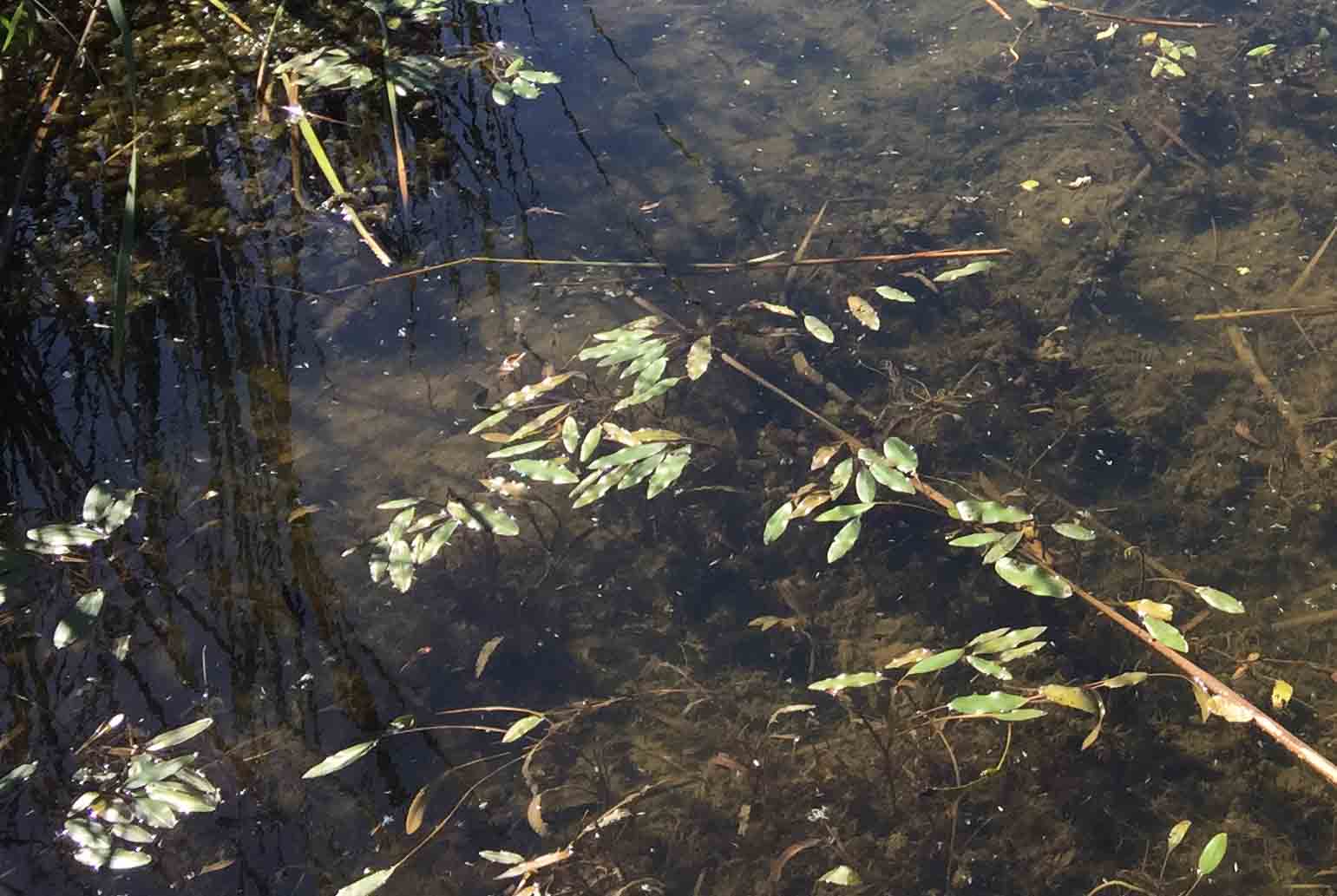
- Aquatic plants in the tank — anacharis, duckweed, water lettuce.
- Dandelion greens (free if you have a clean lawn).
- Hibiscus leaves and flowers (treat — they love them).
Protein sources for the smaller adult ration: earthworms (twice a week), krill (once a week), the occasional bit of raw shrimp.
Don’t feed: spinach (oxalates), iceberg (no nutrition), avocado (toxic), processed foods.
Supplements
Calcium dust two to three times a week, especially on the protein portion. Multivitamin once a week with vitamin A as retinol (not just beta-carotene). Cuttlebone in the tank as a free-choice option.
Behaviour
Cooters are calm — calmer than sliders and far calmer than maps. They’ll come to the front of the tank for food, bask cooperatively in same-sex pairs (slider males fight; cooter males generally don’t), and tolerate human presence without diving.
Single-keeping is the easiest option for indoor tanks. Outdoor ponds can comfortably hold 2–3 cooters if the surface area is generous.
One species-specific note: cooters are messy eaters. The combination of plant-heavy diet and big body means a lot of waste. Filter capacity matters more than for similarly-sized carnivorous species.
Health red flags
- Pyramiding shell — the carapace scutes raise into peaks. Caused by too-high protein in juveniles. Once established, permanent.
- Shell rot — same triage as other species; cooters in big tanks with marginal filtration are particularly vulnerable.
- Respiratory infection — uncommon in cooters at proper temperatures; common in under-heated setups.
- Obesity — the most common adult-cooter problem. Skin folds behind the front limbs that don’t retract. Cut protein, increase greens.
- Refusal of greens — trains slowly. Stop offering protein for several days, offer only greens, and most cooters convert.
Full triage in Turtle Health & Feeding Guide.
Lifespan
Captive cooters regularly live 40–50 years; some specimens have passed 70. Slightly longer than sliders on average. Commitment territory.
Outdoor pond setup
If your climate allows, this is the right answer for adult cooters:
- Pond depth: 1–1.2 m minimum. Provides frost-free brumation zone in winter.
- Surface area: 5–8 m² for a single adult; more for groups.
- Predator protection: heavy mesh roof, buried perimeter fencing.
- Basking: sloping log or flat rock that catches sun for at least 6 hours.
- Plants: stock with hardy aquatic vegetation; the cooters will graze year-round.
- Supplement feeding: 2–3 times a week. They’ll feed themselves on plants and invertebrates between.
Outdoor cooters get full-spectrum sunlight, varied natural diet, and far more space than any indoor setup can provide. The downside is initial pond cost; ongoing running costs are lower than an indoor tank.
Buying advice
- Captive-bred only. Hatchling prices US$40–120 depending on species.
- Plan for adult size before you buy. An adult female cooter in a 75-gallon tank is animal cruelty.
- Check shell, eyes, swim ability. Same checks as for any aquatic turtle.
- Don’t confuse with sliders. Hatchling cooters and sliders look similar. Ask the breeder for species; check the pattern (cooters have a different head striping pattern than sliders).
Cooter vs slider — how to tell them apart
Hatchling cooters and sliders look so similar that pet shops mix them up regularly. A few tells that work even on baby turtles:
- Head pattern: sliders have a distinct red or yellow patch behind the eye (the “red ear” or yellow stripe of the slider name). Cooters have parallel yellow stripes on the head with no concentrated “patch.”
- Plastron pattern: sliders have a pale yellow plastron with dark spots. Cooters have a paler, often unmarked plastron in red-bellied species, or a heavily-patterned one in river cooters.
- Carapace: cooter shells are slightly more domed and less “flat-tabby” than sliders. Hard to tell on hatchlings.
- Adult size: the cleanest tell if you can wait. By year 4 a cooter will be noticeably bigger than a slider of the same age.
Brumation
Wild cooters brumate underwater through winter in the southern US, surfacing to breathe occasionally. Captive indoor cooters at year-round 24–27 °C water don’t need to brumate — they’ll feed and bask normally year-round.
If you’re breeding, brumation is the trigger: cool the water to 12–15 °C for 8–10 weeks in autumn-winter, stop feeding, then warm back to summer temperatures. Cooters that brumate and then experience longer day-length will pair and breed reliably.
Eggs and hatchlings
Female cooters lay 10–25 eggs per clutch, multiple clutches per year. They need a sandy nesting area; outdoor pond keepers leave a sloped sandy bank, indoor keepers provide a separate plastic tub of damp sand the female can dig in.
Eggs incubate at 27–30 °C for 60–90 days. Cooters have temperature-sex determination: higher temperatures (30+) produce more females, lower temperatures produce more males.
Common myths
- “Cooters are just bigger sliders.” Half-true. Same family, different adult diet, different basking behaviour, different temperament. Worth keeping the differences in mind.
- “Cooters won’t eat plants.” False. Adult cooters are predominantly herbivorous. If yours won’t eat plants, the protein ratio in the diet has trained it not to — cut the protein for a week and most cooters convert.
- “Cooters need salt water.” False. They’re strictly freshwater. Some keepers add salt as a preventive measure for skin issues; the evidence for this is weak, and proper water-change discipline is more effective.
Related on Turtle Times
- Cooter Turtle species overview — identification and natural history.
- Red-eared Slider — the close cousin, smaller and more carnivorous.
- Care Sheets & Information — enclosure hub.
- Turtle Health & Feeding Guide — diet and medical triage.
- Painted Turtle Diet Guide — the closest published diet plan; cooters need even more plant matter.
— Tom, Turtle Times. Got a cooter setup question or photos of your tank? Contact form — flag “cooter” in the subject.
Got a question we haven’t answered?
The Turtle Times team answers reader questions every week. Drop us a note — Linda covers health, Priya handles softshells and side-necks, Tom takes aquatic species, Marcus covers tortoises, Jenna runs new-owner triage.
Ask the team → Browse the Q&A archive