Yellow-foot tortoises (Chelonoidis denticulatus) are the larger, more humidity-demanding cousin of the red-foot tortoise — native to Amazon rainforest understory across northern South America. Marcus has answered more “is this a yellow-foot or a red-foot” emails than is reasonable. This is the dedicated guide.
Yellow-foot vs red-foot — how to tell them apart
The two species are sometimes sold interchangeably and need different husbandry. Identifying features:
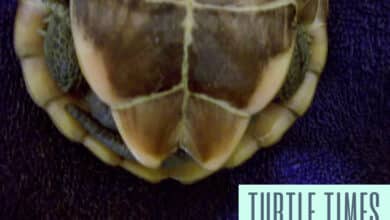
- Yellow-foot: larger adult size (40–70 cm shell), pale yellow markings on the head and limbs, more elongated shell shape. Plastron has substantial yellow markings.
- Red-foot: smaller (30–40 cm), bright red or orange markings on head and limbs, slightly more domed shell, cherry-red plastron markings (in “cherryhead” variants).
Habitat: yellow-foots are deep-forest understory species, red-foots are forest-edge. Yellow-foots need higher humidity and more substantial space.
Adult size
This is the headline difference from red-foots:
- Males: 40–50 cm shell length, 8–15 kg.
- Females: 50–70 cm shell length, 12–20 kg. Specimens have reached 80 cm.
Yellow-foots are the largest South American tortoise after the Galapagos. Indoor housing for an adult female is essentially impossible — outdoor humid-tropical pen or large dedicated indoor room only.
Enclosure requirements
Yellow-foot enclosure planning starts with adult size. Don’t buy a hatchling without planning the adult enclosure:
Outdoor pen (humid sub-tropical/tropical climates only)
- Footprint: 5×5 m minimum for a single adult; 6×8 m for adult females or pairs.
- Walls: 60 cm above ground, buried 30 cm.
- Substrate: deep soil with leaf litter overlay, kept humid. Cypress mulch and coco coir in shaded sections.
- Shade: 70 % minimum, ideally tree canopy — yellow-foots are forest-floor species, not open-sun.
- Plants: ferns, palms, tropical shrubs, hibiscus, mulberry trees. Stock the pen with edible vegetation.
- Water: shallow soaking pool, refreshed daily.
- Hides: multiple natural hides — hollow logs, dense plant clumps, large half-logs.
- Misting system: in drier climates, automated misting helps maintain humidity.
Indoor enclosure (temperate climates)
Substantial dedicated room required for adults. Minimums:
- Floor area: 6×3 m for a single adult; larger for pairs. This is a dedicated tortoise room, not a corner of a living room.
- Walls: 60 cm tall, opaque.
- Substrate: 7–10 cm of cypress mulch over a moisture-holding base layer.
- Humidity: 70–85 %. Daily misting, humid hide corner, possibly automated misting system.
- Basking spot: 32–36 °C under a 100 W flood lamp.
- Ambient temperature: 26–30 °C daytime, 22–25 °C nights.
- UVB tube: T5 HO 10.0, replaced annually, spanning the basking area.
- Plants: live tropical plants if feasible; otherwise sturdy artificial plants.
- Multiple hides + a substantial water/soaking pool.
Diet
Yellow-foots eat similarly to red-foots — omnivore with substantial fruit:
- ~55 % leafy greens and flowering plants.
- ~35 % fruit — even higher than red-foots, particularly soft tropical fruit.
- ~10 % animal protein — hard-boiled egg, small amounts of cooked chicken, occasional earthworm.
Foods yellow-foots eat readily:
- Mango, papaya, banana, melon, mulberry, fig (especially favoured).
- Hibiscus leaves and flowers.
- Mulberry leaves, fig leaves.
- Cassava leaves where available.
- Collard greens, mustard greens, dandelion.
- Edible flowers.
- The occasional cooked protein (once every 2–3 weeks).
Don’t feed:
- Avocado, citrus as a staple, dairy, processed foods.
- Iceberg lettuce as a staple, spinach/chard/beet greens (oxalates).
- Onion family.
Calcium dust twice a week, multivitamin weekly with retinol. Cuttlebone free-choice.
Behaviour
Yellow-foots are calmer and slightly less interactive than red-foots. They’re bigger, more methodical, less “dog-like.” Adult females in particular can be slow and observant rather than active foragers.
Same-sex pairs work in adequate space; males may display moderate aggression in the breeding season. Mixed-sex pairs breed reliably given the right conditions.
Brumation
Yellow-foots do not brumate. They’re tropical species and need year-round warmth. Never cool a yellow-foot for brumation; they die.
Lifespan
Captive yellow-foots regularly live 40–70 years. Long-term commitment matching the species’ size.
Legal status
Yellow-foots are CITES Appendix II for international trade. EU/UK keepers need CITES Article 10 paperwork for sale or transfer. Several South American range countries have their own protection regulations.
The captive trade is small — the species is more demanding than red-foots and the larger adult size puts off many keepers. Captive-bred animals exist but supply is limited.
Buying advice
- Captive-bred only with full CITES paperwork.
- Hatchling prices: US$500–1,500+ depending on subspecies and origin.
- Confirm species. Yellow-foot vs red-foot identification matters; husbandry differs.
- Plan adult housing before buying. A hatchling yellow-foot is a 50-year, 6×3 m commitment.
- Buy from specialist tropical-species breeders. Generic reptile shops rarely carry well-cared-for yellow-foots.
Why we recommend red-foots instead for most keepers
Yellow-foots are stunning but the practical comparison favours red-foots for nearly all keepers:
- Red-foots stay smaller (30–40 cm vs 50–70 cm).
- Red-foots are more interactive and personality-driven.
- Red-foots have more captive-bred supply.
- Red-foots adapt to indoor housing more readily.
- Red-foots tolerate slightly drier conditions, making them practical in more climates.
Choose yellow-foots only if you have the space, climate, and commitment for the larger species. See our red-foot tortoise care guide for the more practical alternative.
Related on Turtle Times
- Red-Foot Tortoise Care — closely-related, smaller species.
- Care Sheets & Information — enclosure hub.
- Turtle Health & Feeding Guide — medical companion.
- Turtle & Tortoise Care Index — master husbandry hub.
- Turtle & Tortoise Breeds — species index.
— Marcus, Turtle Times. Considering a yellow-foot or trying to identify which species you have? Contact form — flag “yellow-foot” in the subject.
Got a question we haven’t answered?
The Turtle Times team answers reader questions every week. Drop us a note — Linda covers health, Priya handles softshells and side-necks, Tom takes aquatic species, Marcus covers tortoises, Jenna runs new-owner triage.