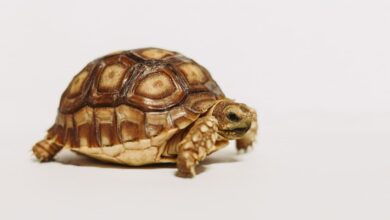
Quarantine is the procedure most turtle keepers skip and the one that catches them out hardest. Linda has lost count of the emails that go “I added a new turtle and now my existing one is sick.” The new arrival was carrying something the established turtle had no immunity to. This is the protocol we run when bringing any new turtle into the household, and the one we’d recommend you adopt before adding to your collection.
Why quarantine matters
Any new turtle — even captive-bred from a reputable breeder — carries microflora the existing animals may not have. The most common issues:
- Salmonella variants — everyone’s turtle carries salmonella, but specific strains differ. Cross-introduction can cause illness in established animals temporarily.
- Parasites — pinworms, hookworms, protozoa. Often subclinical in the new arrival but symptomatic in established animals exposed for the first time.
- Bacterial infections — respiratory pathogens (notably Mycoplasma in box turtles and some species), shell rot bacteria.
- Herpesvirus — particularly in tortoises (Greek tortoises have notable rates). Carriers may show no symptoms but transmit to other animals.
- Fungal infections — skin and shell fungi that take hold faster in stressed established animals.
Quarantine isolates the new arrival until you can verify it’s healthy and rule out the most common transmissible issues.
Quarantine duration
The minimum we recommend:
- 30 days minimum for asymptomatic, captive-bred animals from a known breeder.
- 60–90 days for any animal of unknown origin, wild-caught, or showing minor symptoms.
- 6 months for box turtles and tortoises, where herpesvirus and Mycoplasma can have long latent periods. These species need a longer observation window.
The 30-day minimum is the absolute floor — long enough to catch acute illness, short enough to be practical. Most experienced keepers go 60+ days as standard.
Quarantine enclosure setup
Set up a dedicated quarantine enclosure in a separate room from your established animals. Key features:
Aquatic turtle quarantine
- Tank size: smaller than the final destination tank is fine — you want easy monitoring. 75–150 litres for most species.
- Substrate: bare-bottom only. Easy to clean, easy to spot waste and parasites in faecal samples.
- Water depth: moderate — enough to swim, not so much that you can’t inspect the turtle easily.
- Basking platform + UVB + heat: proper husbandry. Quarantine isn’t austerity; sick or stressed animals need correct conditions to fight off infection.
- Filtration: a small filter; expect to do more frequent partial water changes.
- Furniture: minimal. One smooth rock, a piece of clean PVC pipe for hiding. Anything porous (driftwood, plants) traps pathogens.
Tortoise quarantine
- Enclosure size: simpler than the final outdoor pen. Indoor tortoise table 120×60 cm minimum.
- Substrate: paper towel for the first 2 weeks (easy to monitor waste). Switch to clean coco coir or cypress mulch after.
- Hides: one or two, easy to remove and disinfect.
- Basking + UVB: proper setup. Don’t skimp.
- Water and food bowls: dedicated, marked, never shared with established animals’ equipment.
What you’re watching for
Daily observation during quarantine, looking for:
- Respiratory signs — wheezing, bubbles, discharge, open-mouth breathing.
- Eye issues — swelling, discharge, closing.
- Skin or shell changes — new white patches, fungal growth, lesions.
- Faecal abnormalities — diarrhoea, worms visible, blood.
- Appetite changes — refusal to eat after the initial settling-in period (5–7 days).
- Lethargy — unusual inactivity, refusal to bask, lopsided floating.
- Skin parasites — ticks, mites, leeches visible on close inspection.
Daily notes — literally a paper log — help you spot trends across weeks that you’d miss with memory alone.
Vet faecal exam — the diagnostic everyone should do
Within the first 2 weeks of quarantine, collect a fresh faecal sample and take it to a reptile-experienced vet for parasitology. Cost is usually £25–50 / US$30–70.
What the exam looks for:
- Parasite ova (pinworm, hookworm, ascarid).
- Protozoa (giardia, trichomonas).
- Coccidia.
- Cryptosporidium (some species).
If positive, the vet prescribes appropriate treatment — species-specific dosing matters; don’t use over-the-counter parasitology.
Handling and hygiene
The protocols that prevent cross-contamination:
- Quarantine room separate from established animals. Different room ideally; minimum a different corner of the house with hand-washing between visits.
- Care for established animals FIRST, then quarantine. Reduces the risk of carrying anything back.
- Dedicated tools. Separate nets, brushes, water testers, syringes for the quarantine setup. Mark them with red tape or labels.
- Hand-washing with soap and warm water after any handling of quarantine animal or equipment.
- Disinfection of quarantine surfaces with reptile-safe disinfectant (chlorhexidine or quaternary ammonium products) weekly during quarantine and thoroughly after the quarantine period ends.
- Equipment storage: quarantine equipment stays in the quarantine room; never brought back to the main enclosure room.
Common signs that extend quarantine
Any of these means the quarantine clock restarts:
- Active illness diagnosed (respiratory, parasitic, fungal).
- Refusal to eat extending beyond 2 weeks.
- Unexplained weight loss.
- Behavioural abnormalities that persist.
- Suspect contact with established animals (escape, fingers crossed between enclosures).
Treat any of these as a reset. The extra month is worth it.
When quarantine ends
After the quarantine period with no concerning signs:
- Final visual health check — eyes, shell, skin, behaviour.
- Repeat faecal exam if the first was positive or borderline.
- Slow introduction. For tortoises, introduce in a neutral large outdoor space, not directly into established animal’s territory.
- For aquatic species, ideally a separate display tank rather than mixing — we generally don’t recommend community aquatic-turtle setups outside outdoor ponds. See our community-housing post.
- Monitor closely for 2 weeks after introduction. Established animal showing signs of stress or illness means immediate separation.
What to do if you discover a problem mid-quarantine
The whole point of quarantine. If a problem emerges:
- Don’t panic. The quarantine has done its job — you’ve protected the established animals.
- Vet visit. Get a definitive diagnosis. Don’t guess from internet symptoms.
- Treat the quarantine animal per vet instructions in its quarantine enclosure.
- Extend quarantine until 30 days symptom-free after treatment completes.
- Decontaminate the quarantine enclosure thoroughly after the animal moves on.
Special cases
Rescue or rehome animals
Always quarantine. The animal’s history is unknown; the previous keeper may have had multiple animals or marginal husbandry. 60-day minimum.
Wild-found tortoises (in their native range)
Don’t take wild tortoises home. If you must (genuine emergency — injured animal, vet unavailable in field), keep separated indefinitely; native wildlife should not be kept long-term in private collections without permits.
Animal coming from a reptile show
Reptile shows are higher-risk environments — many animals from many sources cross-contaminating equipment, hands, surfaces. Quarantine 60 days minimum, and consider testing for the specific pathogens common to the species (e.g. Mycoplasma in tortoises).
Related on Turtle Times
- Turtle Health & Feeding Guide — symptom-triage hub.
- Finding a Reptile Vet — for faecal exams and diagnostic support.
- Can I keep different species together? — relevant for post-quarantine introduction.
- Medical issues archive — condition-specific write-ups.
- Turtle & Tortoise Care Index — master husbandry hub.
— Linda, Turtle Times. Quarantine question or considering adding a turtle to an existing collection? Contact form — flag “quarantine” in the subject.
Got a question we haven’t answered?
The Turtle Times team answers reader questions every week. Drop us a note — Linda covers health, Priya handles softshells and side-necks, Tom takes aquatic species, Marcus covers tortoises, Jenna runs new-owner triage.